
Renal research increasingly relies on molecular indicators to investigate cellular activity, protein expression, and biological responses under different experimental conditions. These indicators, commonly known as biomarkers, provide valuable information about physiological processes and changes in cellular function.
Researchers use a variety of analytical approaches to investigate proteins, enzymes, RNA molecules, and other biological components. By examining these molecular characteristics, scientific studies can improve understanding of renal biology and identify new opportunities for experimental investigation.
This article explores major biomarker categories, their biological properties, and the analytical methods used to study them.
1. Understanding Renal Biomarkers
Biomarkers are measurable biological characteristics associated with specific physiological processes or molecular responses. They may include proteins, enzymes, metabolites, and genetic material.
In renal research, biomarkers can be investigated to understand:
Protein expression and molecular regulation.
Cellular responses to experimental conditions.
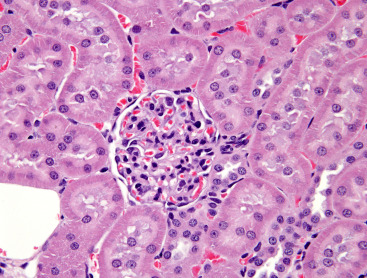
Changes in tubular and glomerular biology.
Oxidative stress and inflammatory pathways.
Molecular interactions associated with renal function.

Different biomarkers provide different types of information. Some reflect functional processes, while others are associated with cellular activity or structural changes. Read article
2. Major Categories of Renal Biomarkers
Functional Biomarkers
Functional biomarkers provide information about biological processes associated with renal filtration and molecular transport.
Creatinine and cystatin C are widely studied molecules in this category. Their concentrations can be used to estimate filtration-related processes through established mathematical equations.
Researchers also investigate how physiological characteristics and experimental conditions influence their measured values.
Protein-Associated Biomarkers
Proteins are important indicators of cellular activity and molecular regulation. Their expression, abundance, and distribution can provide insights into biological processes.
Examples include:
Neutrophil gelatinase-associated lipocalin (NGAL).
Kidney injury molecule-1 (KIM-1).
Liver-type fatty acid-binding protein (L-FABP).
N-acetyl-β-D-glucosaminidase (NAG).

These molecules have been investigated for their associations with tubular cell responses, metabolic activity, and cellular stress.
Molecular Biomarkers
Molecular biomarkers include microRNAs, proteins, and metabolites associated with specific biological pathways.
MicroRNAs are small non-coding RNA molecules that participate in the regulation of gene expression. Their study can help researchers investigate relationships between molecular regulation, cellular adaptation, and biological variability.
NGAL: A Molecular Indicator of Cellular Responses
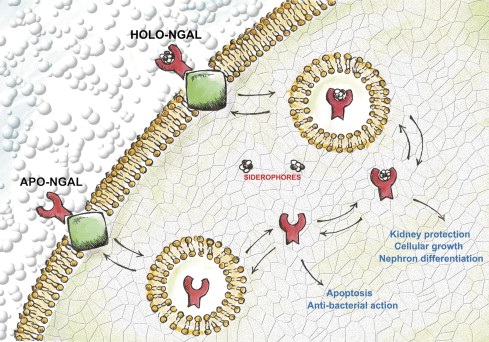
Neutrophil gelatinase-associated lipocalin, also known as lipocalin-2, is a protein expressed by several cell types.
Its expression can change under different physiological and experimental conditions. Researchers have investigated NGAL in relation to cellular stress, immune activity, and renal tubular biology.
Analytical studies may examine its abundance, expression patterns, and relationships with other molecular indicators.
However, NGAL is not exclusive to renal tissue. Its biological interpretation therefore requires consideration of its multiple sources and the experimental context.
4. KIM-1 and Tubular Cell Biology
Kidney injury molecule-1, encoded by the HAVCR1 gene, is a transmembrane protein associated with changes in proximal tubular epithelial cells.
Researchers investigate KIM-1 to understand cellular responses and molecular pathways associated with tubular biology.
Its extracellular domain can be released from cells, making it suitable for investigation using specific analytical techniques.
Potential research approaches include protein quantification, gene expression analysis, and the comparison of molecular profiles under different experimental conditions.
5. L-FABP and Cellular Metabolism
Liver-type fatty acid-binding protein participates in intracellular fatty acid transport and lipid metabolism.
Its expression in renal tubular cells has generated interest in the relationship between metabolic pathways, oxidative stress, and cellular adaptation.
Researchers may investigate L-FABP abundance and expression patterns to explore how changes in cellular metabolism relate to other molecular processes.

6. NAG and Enzymatic Activity
N-acetyl-β-D-glucosaminidase is a lysosomal enzyme associated with intracellular metabolic processes.
Its enzymatic activity can be measured using suitable analytical assays. These measurements allow researchers to investigate relationships between enzyme activity and cellular conditions.
As with other molecular indicators, the interpretation of NAG measurements depends on the assay, sample characteristics, and experimental design.

7. TIMP-2 and IGFBP7: Investigating Cellular Stress
Tissue inhibitor of metalloproteinases-2 (TIMP-2) and insulin-like growth factor-binding protein 7 (IGFBP7) have been investigated in relation to cellular stress responses and cell-cycle regulation.
Their biological properties make them relevant to research exploring cellular adaptation under changing experimental conditions.
Studies may examine these proteins individually or in combination to characterize molecular response patterns.
8. MicroRNAs and Emerging Research Approaches
MicroRNAs regulate gene expression and participate in multiple biological pathways.
Their measurement can help researchers investigate molecular regulation, cellular variability, and interactions between biological processes.

Other emerging analytical approaches include:
Proteomics for large-scale protein characterization.
Metabolomics for investigating small-molecule profiles.
Transcriptomics for studying gene expression.
Multiplex assays for measuring several molecular targets simultaneously.
Bioinformatics for identifying relationships between molecular datasets.
Integrating these methods may provide a more comprehensive understanding of renal biology.
9. Analytical Methods for Biomarker Research
Reliable biomarker research depends on suitable analytical techniques and well-designed experiments.
Common approaches include:
Enzyme-linked immunosorbent assay (ELISA): Used to quantify specific proteins in compatible samples.
Western blotting: Used to investigate protein abundance and molecular size.
Quantitative polymerase chain reaction (qPCR): Used to quantify selected nucleic acid targets following appropriate sample preparation.
Mass spectrometry: Enables detailed characterization of proteins, peptides, and metabolites.
Immunohistochemistry: Supports the investigation of protein localization within tissue sections.
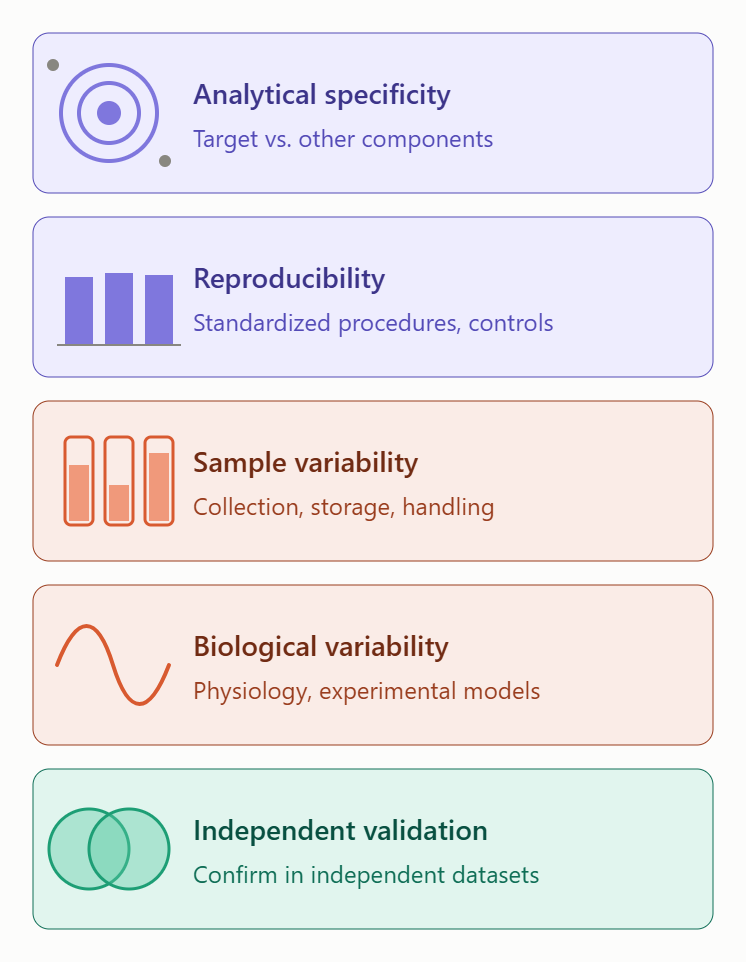
Each technique has specific requirements concerning sample preparation, analytical sensitivity, reproducibility, and data interpretation.
10. Challenges in Biomarker Research
Several factors influence the reliability of biomarker measurements.
Conclusion
Renal biomarkers provide valuable tools for investigating molecular expression, cellular activity, and biological regulation.
Proteins such as NGAL, KIM-1, L-FABP, and NAG, together with emerging molecular indicators such as microRNAs, contribute to a diverse field of experimental research.
Combining appropriate analytical techniques with standardized methods and independent validation can improve the reliability of molecular investigations and support further advances in renal biology.
Frequently Asked Questions
What are renal biomarkers?
Renal biomarkers are measurable biological characteristics used to investigate processes associated with renal function, cellular activity, and molecular regulation.
Which proteins are studied in renal biomarker research?
Examples include NGAL, KIM-1, L-FABP, and NAG. Their relevance depends on the biological process and research question.
Which techniques are used to study biomarkers?
Researchers may use ELISA, Western blotting, qPCR, mass spectrometry, and immunohistochemistry, depending on the target and experimental design.
Why is biomarker validation important?
Validation helps establish whether a measurement is specific, reproducible, and suitable for the intended research application.
What is the role of bioinformatics in biomarker research?
Bioinformatics helps researchers process molecular datasets, identify patterns, and investigate relationships between biological variables.